
Pursuing Claims for Scaffolding and Fall-Related Injuries
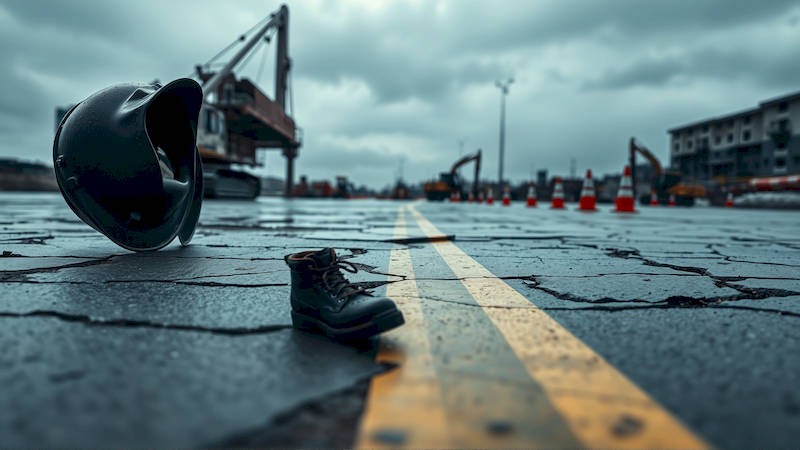
Construction sites are inherently dangerous environments, and unfortunately, falls from heights – particularly those involving scaffolding – are among the leading causes of serious injuries and fatalities. These incidents can result in life-altering consequences, including traumatic brain injuries, spinal cord damage, broken bones, and long-term disability. For workers injured in these scenarios, understanding their rights and the process of pursuing a claim is crucial. This article provides a comprehensive guide to navigating the complex legal landscape of scaffolding and fall-related injuries on construction sites, outlining key considerations, relevant laws, and actionable steps for seeking compensation. It’s vital to remember that seeking legal counsel early in the process can significantly impact the outcome of your claim.
- Understanding the Legal Framework: OSHA & Liability
- Common Causes of Scaffolding & Fall Accidents
- Gathering Evidence: The Foundation of Your Claim
- Damages You Can Recover in a Scaffolding Fall Claim
- Navigating the Claims Process & Potential Challenges
- The Importance of Legal Representation
- Conclusion: Protecting Your Rights After a Fall
Understanding the Legal Framework: OSHA & Liability
The Occupational Safety and Health Administration (OSHA) plays a critical role in regulating construction site safety, including the proper use and maintenance of scaffolding. OSHA regulations dictate specific requirements for scaffolding construction, load capacity, fall protection systems (like guardrails, personal fall arrest systems, and safety nets), and worker training. Failure by employers or contractors to adhere to these regulations is a strong indicator of negligence. Beyond OSHA compliance, liability in these cases extends beyond simple negligence and can encompass several legal theories. These include premises liability (if a property owner failed to maintain a safe site), product liability (if defective scaffolding contributed to the fall), and direct negligence of contractors or subcontractors.
Establishing liability often involves a thorough investigation to identify all responsible parties. This could include the general contractor, subcontractors, scaffolding manufacturers, and even property owners. For example, if a scaffolding collapse was due to a faulty component, the manufacturer might be held liable under product liability laws. Further, if a general contractor knew about unsafe scaffolding conditions but failed to rectify them, they could be found directly negligent. According to the Bureau of Labor Statistics, falls from heights accounted for over 20% of all construction fatalities in 2022, highlighting the continuing need for stringent safety measures and robust legal recourse for those injured.
It's crucial to distinguish between workers’ compensation and third-party claims. Workers’ compensation typically provides benefits regardless of fault, but may be limited in scope. A third-party claim, however, allows injured workers to seek additional compensation from parties other than their direct employer who were responsible for the accident. This is often a more substantial avenue for recovery, especially considering medical expenses, lost wages, and pain and suffering.
Common Causes of Scaffolding & Fall Accidents
Falls from scaffolding aren’t usually random events; they frequently stem from preventable safety violations. One of the most common causes is improper scaffolding erection. Scaffolding must be built on stable and level ground, with proper bracing and connections to ensure stability. Often, corners are cut to save time or money, leading to structurally unsound scaffolding. Another frequent culprit is inadequate fall protection. Even with properly erected scaffolding, workers are at risk if guardrails are missing or damaged, or if personal fall arrest systems (harnesses and lanyards) are not provided or used correctly. Ongoing maintenance and regular inspections are also vital; scaffolding can deteriorate over time, especially when exposed to the elements, leading to weakness and potential collapse.
Beyond structural issues, human error contributes significantly to these accidents. This includes exceeding the scaffolding’s weight capacity, failing to properly secure materials, and lack of adequate training. Workers may believe they can take shortcuts, unaware of the risks, or may be pressured to work quickly without prioritizing safety. Furthermore, hazardous environmental conditions, such as strong winds or icy surfaces, can create additional risks. As stated by Dr. David Michaels, former OSHA administrator, “The vast majority of serious injuries and fatalities on construction sites are preventable, and often stem from a failure to follow basic safety procedures.” A detailed accident reconstruction, often involving engineers specializing in scaffolding, can pinpoint the precise cause and assign responsibility.
Consider a scenario where a worker falls because a plank on the scaffolding gave way. Investigation reveals the plank was not properly rated for the load, had visible cracks, and hadn't been inspected in months. This points to multiple failures: insufficient inspection procedures, use of substandard materials, and a lack of adherence to OSHA regulations.
Gathering Evidence: The Foundation of Your Claim
Building a strong claim requires meticulous evidence gathering. This begins immediately after the accident. Documentation is paramount – preserving photographs and videos of the accident scene, including the scaffolding itself, any fall protection equipment, and any visible hazards. Obtaining witness statements is also critical. Encourage witnesses to provide written accounts of what they saw, as memories can fade over time. Medical records documenting your injuries, treatment, and prognosis are essential, providing concrete proof of the damages you've sustained.
Beyond immediate documentation, accessing and preserving other vital information is key. This includes OSHA reports filed in connection with the accident, internal safety reports from the construction company, and any training records demonstrating whether you and your coworkers received adequate safety training. Seek a copy of any incident reports created by the employer, even if they seem to minimize the incident. Remember, employers may attempt to downplay the severity of an accident or shift blame. Expert testimony from engineers, safety consultants, and medical professionals will likely be needed to establish negligence and the extent of your damages. For example, a structural engineer can analyze the scaffolding’s design and construction to identify flaws and code violations.
Maintaining a detailed journal documenting your pain, limitations, and the impact of your injuries on your daily life is invaluable. This can provide powerful support for your claim, particularly when quantifying non-economic damages like pain and suffering.
Damages You Can Recover in a Scaffolding Fall Claim
Injured construction workers may be entitled to recover a wide range of damages, aiming to make them whole after an accident. This encompasses economic damages – those with a quantifiable monetary value – and non-economic damages, which are more subjective. Economic damages include medical expenses (past, present, and future), lost wages (including lost earning capacity if the injury results in permanent disability), and costs associated with rehabilitation and assistive devices. Proper documentation is paramount to calculating these damages accurately.
Non-economic damages compensate for the intangible losses resulting from the injury. These include pain and suffering, emotional distress, loss of enjoyment of life, and disfigurement. Assessing these damages is more complex, often relying on factors such as the severity of the injury, its impact on the individual's quality of life, and the duration of their suffering. Some states also allow for recovery of punitive damages, which are awarded to punish particularly egregious conduct by the responsible parties – for example, if a company deliberately ignored known safety hazards.
It’s important to understand that recovery of damages can hinge on establishing a clear causal link between the accident and your injuries. The defense may argue that pre-existing conditions contributed to your current state, so having a thorough medical history and expert medical testimony is vital. Clients are often surprised by the breadth of potential damages, underscoring the importance of experienced legal representation.
Navigating the Claims Process & Potential Challenges
The claims process for scaffolding and fall-related injuries can be complex and time-consuming. Typically, it begins with notifying the responsible parties (employer, contractor, etc.) of the incident. Following this, a formal claim may be filed with the relevant insurance companies. This often involves submitting supporting documentation, such as medical records, police reports, and witness statements. Insurance companies may then conduct their own investigation and may attempt to minimize the value of your claim. Negotiations are a common part of the process, but if a fair settlement cannot be reached, litigation may be necessary.
Several challenges can arise during the claims process. One common issue is the difficulty of proving negligence, especially if the employer argues that the worker was solely responsible for the fall. Establishing clear evidence of safety violations and a direct link between those violations and the injury is crucial. Another challenge is dealing with multiple parties. Coordinating claims with various insurance companies and ensuring all responsible parties are held accountable can be complex. There are also statutes of limitations – deadlines for filing a lawsuit – which vary by state. Missing these deadlines can permanently bar your claim. According to research conducted by the National Safety Council, almost 70% of work-related injuries go unreported, emphasizing the importance of understanding your right to legal representation and reporting the incident correctly.
The Importance of Legal Representation
Given the complexities of construction accident claims, seeking legal representation from an attorney specializing in personal injury and construction law is highly recommended. An experienced attorney can thoroughly investigate the accident, gather evidence, negotiate with insurance companies, and, if necessary, litigate your claim in court. They understand the applicable laws, regulations, and legal precedents, and can build a strong case on your behalf.
A qualified attorney can also protect your rights and ensure you receive fair compensation for your injuries. They can navigate the legal hurdles, challenge attempts to minimize your damages, and advocate for your best interests throughout the process. They can also keep you informed on the status of your claim and explain the legal options available to you. Furthermore, most personal injury attorneys work on a contingency fee basis, meaning you only pay them if they secure a settlement or verdict in your favor. This removes the financial barrier to accessing experienced legal representation.
Conclusion: Protecting Your Rights After a Fall
Scaffolding and fall-related injuries on construction sites represent a significant safety hazard, leading to devastating consequences for workers and their families. Understanding your legal rights and options is vital if you’ve been injured in such an incident. Remember to prioritize documentation of the accident, gather evidence meticulously, and seek prompt medical attention. Negligence often plays a key role in these accidents, and you may be entitled to recover damages for medical expenses, lost wages, pain and suffering, and other losses.
The key takeaways are: OSHA regulations set the standard for construction safety; liability can extend to multiple parties; thorough evidence gathering is critical; and experienced legal representation is invaluable. Do not attempt to navigate the claims process alone. Consulting with a qualified attorney specializing in construction accidents is essential to protect your rights and maximize your chances of obtaining the compensation you deserve. Don't delay - statutes of limitations apply, and timely action is crucial to preserving your claim.
Deja una respuesta