
Using Dashcam and Bodycam Footage to Build a DUI Defense
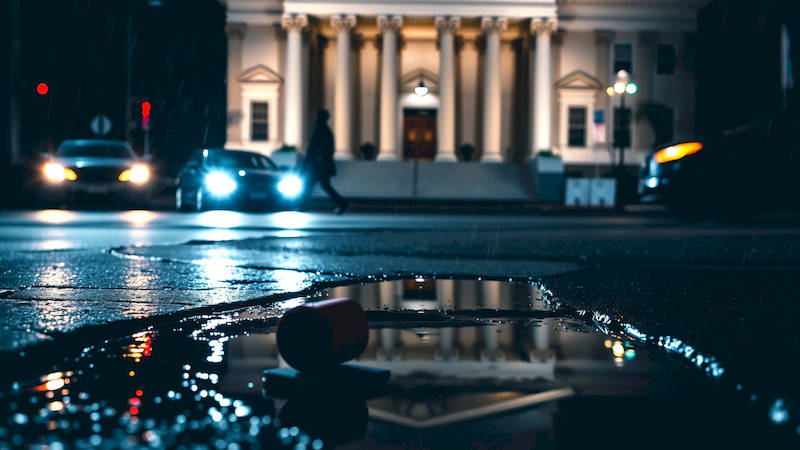
Driving under the influence (DUI) charges carry significant legal and personal consequences, potentially leading to jail time, hefty fines, license suspension, and a criminal record. While often perceived as open-and-shut cases, successful DUI defenses are frequently built on meticulous examination of the evidence. Increasingly, that evidence includes video footage captured by dashcams and bodycams – tools that are rapidly reshaping the landscape of DUI defense. This article will delve into the nuances of utilizing dashcam and bodycam footage to build a robust DUI defense, exploring its strengths, potential pitfalls, and how experienced legal counsel can maximize its impact on your case. Understanding the availability and potential value of this evidence is crucial for anyone facing a DUI charge.
The proliferation of dashcams, installed by both drivers and commercial fleets, coupled with the widespread adoption of bodycams by law enforcement, means that many DUI stops are, at least partially, recorded. This presents both opportunities and challenges for the defense. While the prosecution may utilize this footage to bolster their case, a savvy DUI attorney can scrutinize it for inconsistencies, procedural errors, and evidence that contradicts the officer’s account. Effectively leveraging this footage requires a thorough understanding of legal procedures, chain of custody concerns, and the technical aspects of video analysis. It's no longer simply about challenging field sobriety tests; it's about analyzing every second of visual data.
- The Rise of Video Evidence in DUI Cases
- What to Look for in Dashcam and Bodycam Footage: Potential Defense Angles
- Chain of Custody and Authenticity Concerns
- Utilizing Footage to Challenge Field Sobriety Tests
- The Impact of Officer Demeanor and Statements on Camera
- Navigating Legal Challenges and Evidentiary Rules
- Conclusion: The Future of DUI Defense is Visual
The Rise of Video Evidence in DUI Cases
The accessibility of dashcam and bodycam footage has fundamentally altered the dynamics of DUI investigations. Previously, cases often relied heavily on the officer’s testimony – subjective observations of driving behavior, perceived signs of impairment, and the results of roadside sobriety tests. This shifted the balance of power, as attorneys would work to discredit the officer's account. The introduction of video evidence offers a more objective record of events, providing a visual depiction of the traffic stop from multiple perspectives. According to a 2022 study by the National Highway Traffic Safety Administration (NHTSA), states with higher rates of bodycam usage have seen reported instances of officer misconduct decline—a trend that extends to accurate documentation of DUI stops.
The benefits are two-fold. For the prosecution, the video can confirm the officer’s observations and illustrate the driver’s state of impairment; however, for the defense, it can expose inaccuracies in the officer’s testimony, highlighting inconsistencies or revealing deviations from standard procedure. This goes beyond simply questioning the officer's recollection. A recording provides concrete evidence, which is far more difficult to refute than subjective interpretations. Furthermore, dashcam footage can corroborate the driver’s account of events leading up to the stop, providing critical context for the entire situation.
Dashcam and bodycam footage isn’t automatically provided to the defense. A skilled attorney must proactively request this evidence through formal discovery processes, including filing motions to compel production if necessary. This requires understanding the specific evidentiary rules in the jurisdiction and diligently pursuing access to potentially exculpatory material.
What to Look for in Dashcam and Bodycam Footage: Potential Defense Angles
Effective analysis of the video footage goes beyond simply watching it. Defense attorneys trained in DUI defense know what to look for to build a strong challenge to the prosecution’s case. Several key areas warrant careful examination: initial traffic stop justification, performance of field sobriety tests, administration of preliminary breath tests (PBTs), and the driver’s demeanor and statements. Any deviations from established protocols could be grounds to suppress evidence or even dismiss the charges.
For instance, the footage should reveal if the officer had a legitimate, articulable reason to initiate the traffic stop. Was there a clear traffic violation, or was the stop based on a hunch? Subsequently, a close analysis of the field sobriety tests (FSTs) is crucial. The video can reveal if the officer properly instructed the driver, if the testing conditions were suitable (level ground, adequate lighting), and if the driver’s performance was genuinely indicative of impairment. Often, a driver's stumble or difficulty maintaining balance isn't necessarily due to alcohol; medical conditions, stress, or even simply being unsure of the test instructions can contribute to poor performance. Bodycam footage particularly is useful in determining if an officer's instructions were clear and if the officer was following proper protocol.
Moreover, cameras can reveal discrepancies in the officer's depiction of the events. Did the officer accurately describe the driver’s driving behavior? Does the driver appear confused or disoriented on video, or do they seem relatively clear-headed? Any inconsistencies between the officer’s testimony and the video evidence can significantly weaken the prosecution's case.
Chain of Custody and Authenticity Concerns
Even with compelling video evidence, its admissibility in court isn't guaranteed. The prosecution must establish a clear “chain of custody” for the footage, demonstrating that it hasn’t been altered, tampered with, or corrupted in any way. This involves documenting who possessed the footage at all times, from its initial recording to its presentation in court. Any break in the chain of custody can raise reasonable doubt about the footage's authenticity and potentially lead to its exclusion.
The defense attorney will meticulously scrutinize the chain of custody documentation, looking for any gaps or inconsistencies. They may also request forensic analysis of the footage to verify its integrity. This analysis can confirm that the video hasn’t been edited or manipulated and that it accurately reflects the events as they occurred. Furthermore, concerns about the quality of the recording – blurry images, obscured audio, or missing sections – can also undermine its reliability. The defense can challenge the admissibility of footage that is too poor in quality to provide a clear and accurate depiction of the events.
"The integrity of digital evidence, including dashcam and bodycam footage, is paramount. Any doubt about its authenticity can be fatal to its use in court," explains seasoned DUI defense attorney, Sarah Jennings, in a recent legal seminar.
Utilizing Footage to Challenge Field Sobriety Tests
Field sobriety tests (FSTs) are often a central component of DUI prosecutions. Yet, they are notoriously subjective and prone to errors. Dashcam and bodycam footage can be invaluable in challenging the validity of these tests. By meticulously reviewing the footage, a defense attorney can identify several points of contention.
First, the video can reveal if the officer provided clear and accurate instructions for each test. Was the explanation concise and understandable? Did the officer demonstrate the test correctly? If the instructions were vague or misleading, it’s reasonable to argue that the driver’s performance was not a reliable indication of impairment. Second, the footage can show if the testing conditions were optimal. Was the ground level and stable? Was there adequate lighting? Were there any distractions present? Unfavorable conditions can significantly affect a driver’s ability to perform the tests accurately. Third, the video can show the driver’s actual performance – demonstrating wobbles, stumbles, or hesitant movements. However, it can also highlight errors in the officer’s assessment – for example, failing to account for a pre-existing medical condition or dismissing a legitimate attempt to follow instructions.
The Impact of Officer Demeanor and Statements on Camera
Bodycam footage, in particular, captures the officer’s demeanor and statements during the traffic stop. This can be incredibly valuable for the defense. If the officer appears agitated, aggressive, or accusatory, it can cast doubt on their objectivity and credibility. Furthermore, any statements made by the officer that contradict their later testimony or suggest a bias can be used to impeach their credibility on the stand.
Even seemingly innocuous statements can be scrutinized. For example, if the officer makes comments about the driver’s personality or background, it could suggest they were pre-judging the situation. Similarly, any attempts to elicit incriminating statements from the driver without properly advising them of their Miranda rights can be grounds to suppress that evidence. The footage can also reveal whether the officer followed proper procedures for advising the driver of their rights — a critical element for preserving the admissibility of any subsequent statements.
Navigating Legal Challenges and Evidentiary Rules
Successfully utilizing dashcam and bodycam footage requires a thorough understanding of the applicable legal rules and evidentiary standards in the specific jurisdiction. Each state has its own rules governing the admissibility of video evidence, including requirements for authentication, chain of custody, and relevance.
A skilled DUI defense attorney will be well-versed in these rules and will know how to navigate potential challenges from the prosecution. They will ensure that the footage is properly authenticated, meaning they will present evidence to verify its origin and accuracy. They will also address any challenges to the chain of custody, demonstrating that the footage has not been tampered with. Furthermore, they will argue for the relevance of the footage, explaining how it supports the defense’s case. Expert witnesses, specializing in video analysis, may be called upon to enhance the presentation of evidence and explain technical aspects of the recording to the jury.
Conclusion: The Future of DUI Defense is Visual
Dashcam and bodycam footage represent a significant evolution in DUI defense, offering a powerful tool for scrutinizing police conduct and challenging the prosecution’s case. The availability of objective video evidence creates opportunities to expose inconsistencies, highlight procedural errors, and ultimately protect the rights of individuals accused of DUI. However, utilizing this evidence effectively requires more than simply possessing the footage; it demands a skilled attorney with a thorough understanding of legal procedures, forensic analysis, and the nuances of DUI law.
For anyone facing a DUI charge, actively seeking legal representation and specifically requesting a review of any available dashcam or bodycam footage is a critical first step. The key takeaways are clear: video evidence is becoming increasingly important in DUI cases; a strong defense hinges on meticulous analysis of this evidence; and a proactive, knowledgeable attorney is essential for maximizing its impact. Don’t leave your fate to chance – assume there is footage and ask your attorney to obtain and analyze it immediately. The ‘eye in the sky’ could be the key to your freedom.
Deja una respuesta